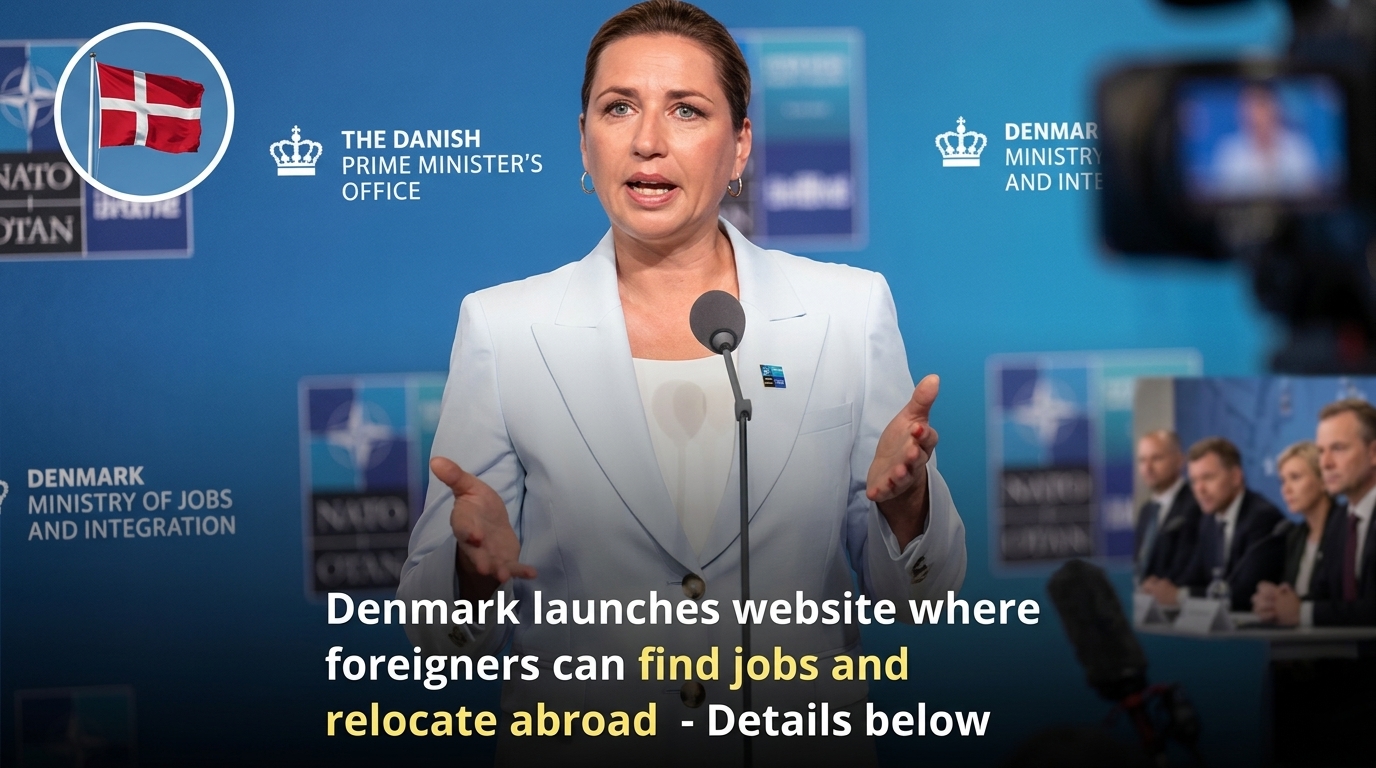
Denmark has established an official platform to help international job seekers find employment opportunities and connect with Danish employers. The website, www.workindenmark.dk, is the country's official public service for international recruitment and job searching. It connects Danish companies with qualified professionals from abroad and provides free services to people interested in working and building a career in Denmark.
The platform offers job vacancies, CV registration facilities, career guidance and information about working and living in Denmark. International jobseekers can search for English-language vacancies and learn about Danish workplace culture, employment conditions and relocation procedures. Information is available in several languages, helping foreign applicants understand the requirements before moving to Denmark.
In addition to its online services, Work in Denmark provides guidance to international jobseekers through recruitment specialists and public employment services. These services can help candidates prepare for the Danish job market, identify suitable vacancies and understand the steps involved in finding employment abroad.
International Citizen Service
Moving to another country involves more than finding a job. Foreign workers may need to arrange residence documentation, registration, tax matters and access to public services. To make this process easier, Denmark provides an International Citizen Service (ICS), which brings together relevant public authorities and offers guidance to international residents.
The service helps eligible newcomers understand administrative requirements, obtain information about their rights and responsibilities, and settle into Danish society. It can also provide guidance on job searching and practical aspects of living and working in Denmark. By bringing several services together, the initiative aims to reduce confusion and make the transition to a new country more manageable.
However, the services do not automatically grant a residence permit or the right to work. Requirements depend on the applicant's nationality, qualifications, job offer and immigration category.
Why Is Denmark Attracting International Workers?
One important reason for Denmark's international recruitment efforts is the need for qualified workers in particular sectors of the economy. Danish employers can experience difficulties filling certain skilled and highly qualified positions, including jobs in information technology, engineering, healthcare, construction and other specialized fields. Work in Denmark supports employers seeking international candidates for occupations where recruitment needs exist.
Another reason is the importance of maintaining a productive and competitive economy. When companies cannot find suitable employees locally, vacancies may remain unfilled, projects can be delayed and business expansion can become more difficult. International recruitment gives employers access to a wider pool of talent and can help them address these challenges.
Denmark also benefits from attracting professionals who bring different qualifications, international experience and technical skills. Foreign workers can contribute to innovation, knowledge exchange and business development. At the same time, international employees gain access to new career opportunities and experience a different working environment.
The initiative therefore serves two connected purposes: helping international jobseekers find suitable employment and helping Danish employers recruit the people they need.
Consequences
The development of international recruitment services can have several economic and social consequences.
- Opportunities for international candidates: Foreign professionals can access vacancies that might otherwise be difficult to find from abroad. A central platform can reduce the time and effort required to identify employers, understand job requirements and prepare applications. Candidates may also learn which skills are in demand and whether their qualifications match the Danish labour market.
- Support businesses: Employers can reach candidates beyond Denmark's borders, particularly in occupations where local recruitment is difficult. Filling vacancies may improve productivity, support business growth and reduce the pressure caused by shortages of specific skills. The actual impact depends on whether employers can successfully recruit and retain suitable workers.
- Economic contributions: International workers who secure employment can contribute to economic activity through their work, spending and tax payments. Their participation can help businesses maintain operations and support the wider economy. However, the scale of these benefits depends on employment outcomes, wages, working conditions and successful integration.
- Greater cultural: International employees can introduce new perspectives, professional practices and language skills into Danish workplaces. This may encourage collaboration and innovation. At the same time, employers and employees may need to address language barriers, cultural differences and differences in workplace expectations.
- Pressure on housing and public services: An increase in international arrivals can also create challenges. In areas where housing is already expensive or difficult to find, additional demand may place pressure on rents and accommodation availability. Public services, schools and local communities may also need to respond to population changes. Effective planning and integration support are therefore important.
- Increased jobs: International recruitment can increase competition for some positions, especially where candidates have similar qualifications. However, when recruitment targets occupations with genuine shortages, foreign workers may help fill unmet demand rather than simply replace local workers. The effects vary by industry, location and occupation.
Is Work in Denmark Useful for Foreign Jobseekers?
Work in Denmark can be a useful starting point for people who want to explore employment opportunities in Denmark. Its main advantage is that it provides an official source of information and connects jobseekers with employers seeking international talent.
The platform can help applicants identify vacancies, learn about employment conditions, prepare their CVs and understand the practical requirements of moving to Denmark. Its English-language job listings are particularly useful for candidates who do not yet speak Danish. The Danish public employment service also reports that many vacancies listed through Work in Denmark do not require Danish-language proficiency, although requirements vary by position.
Nevertheless, using the platform does not guarantee a job, a visa or permission to relocate. Applicants must meet the employer's requirements, demonstrate relevant qualifications and follow the immigration rules that apply to their circumstances. Some jobs require Danish-language skills, professional registration or recognition of overseas qualifications.
Jobseekers should also research salary levels, living expenses, accommodation and employment contracts before accepting an offer. They should verify employers and be cautious about anyone demanding suspicious recruitment fees or promising guaranteed visas.
Official information is available through Work in Denmark and the Danish immigration authority's website, New to Denmark.
Important Consideration: Unemployment Insurance
Another important aspect of working in Denmark is unemployment protection. Unlike systems in which unemployment insurance coverage is automatic, Denmark operates a voluntary unemployment insurance system.
Workers who want this protection generally need to join an unemployment insurance fund, known as an A-kasse, and meet the applicable membership, income and other eligibility requirements. Membership is not the same as joining a trade union, although some funds are associated with unions.
This means that international workers should understand their insurance options early rather than assume that unemployment benefits will automatically be available if they lose their jobs. Eligibility can depend on individual circumstances, including residence and work status.
More information is available on the official Work in Denmark unemployment insurance page.
Conclusion
Denmark's international recruitment services reflect an effort to connect employers with qualified workers while making employment and relocation information easier for newcomers to access. Work in Denmark and International Citizen Service can help reduce information gaps, simplify parts of the job-search and settlement process, and improve access to official guidance.
The initiative offers potential benefits for both sides: international candidates can explore career opportunities, while Danish businesses can recruit skills that may be difficult to find locally. However, its success depends on more than advertising vacancies. Fair recruitment, suitable working conditions, accessible housing, effective integration and clear immigration procedures are also essential.
For foreign jobseekers, Work in Denmark is a useful starting point rather than a guarantee of employment or relocation. Candidates who research vacancies carefully, verify their eligibility and prepare for the practical costs of moving are better positioned to make informed decisions about working in Denmark.
For more career guidance, international employment opportunities, and global insights, keep visiting www.jobsblogs.online.